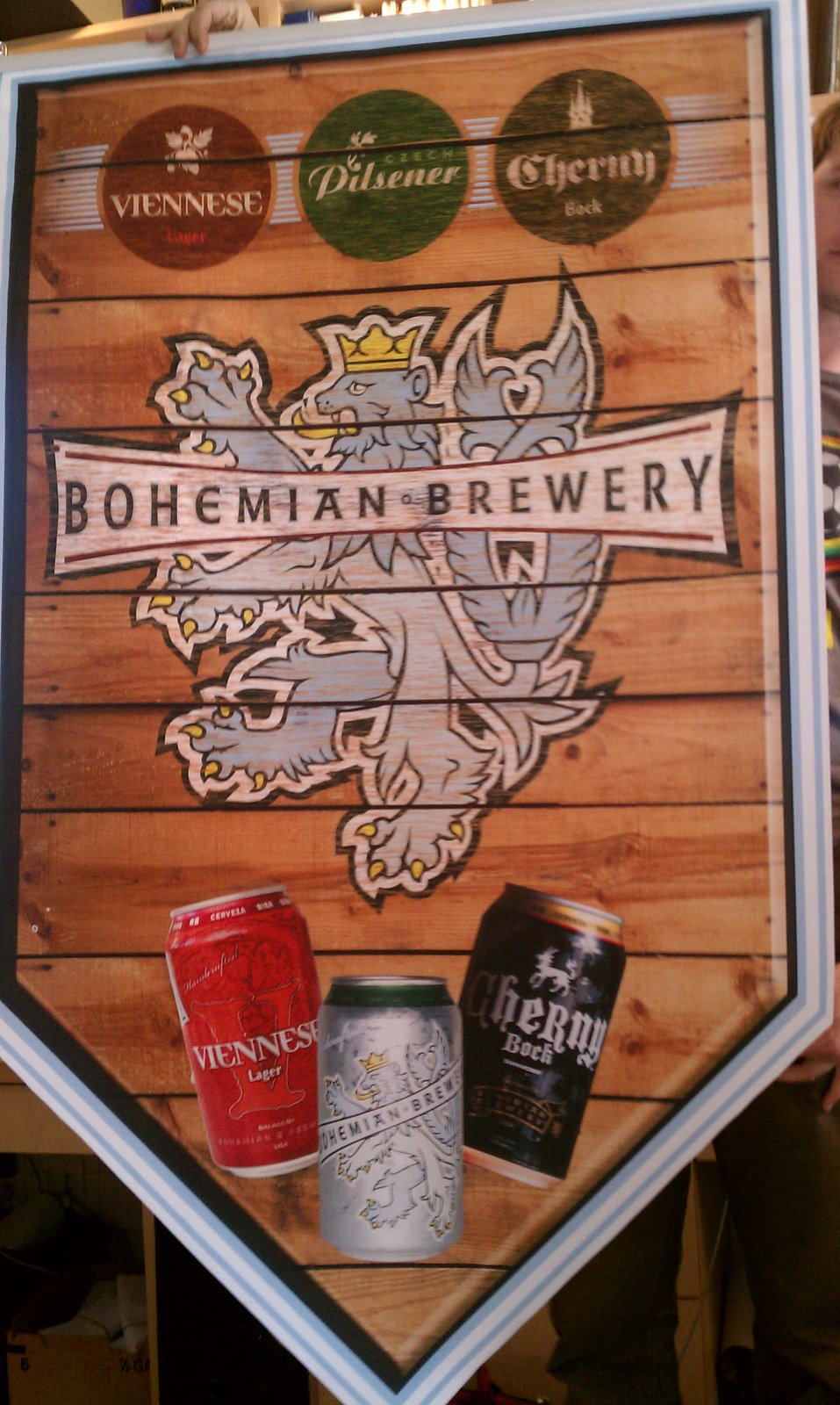
There’s nothing better than a thirst-quenching swig of cold beeron a hot summer day after an exhausting hike or an afternoon spent in the sun. Wait a minute -- that cold beer is in a can, and through years of exposure to social prejudice you believe it’s of a lesser quality than its bottled counterpart. Pondering the argument for canned beers, you come to realize that numerous craft micro brewers are now offering delicious, complex and interesting beers in cans. Your internal debate has also left you with numerous questions about canned beer: Does the aluminum can affect the taste? Does good-tasting beer store well in cans? Are therebenefits to drinking a good beer from a can?
Sit back and finish your suds; we’re about to make that canned-beer experience taste just a bit better with our argument for canned beer.
As far as storage goes, canned beer might have a slight advantage over bottles in that cans actually protect beer from light and oxygen. Cans are airtight and oxygen-free. When light consistently hits a bottle of beer, it can turn skunky and ultimately undrinkable. Oxygen can also leach into a bottled beer under the bottle cap and affect the taste, which could potentially destroy the beer.

There are more than 20 microbreweries currently offering canned beers, including the wildly popular New Belgium Fat Tire Amber Ale introduced in cans last summer. Another brewer, Lyons, Colorado-based Oskar Blues Brewery, a canned-craft beer pioneer, produced 12,409 barrels in 2007. In 2008, they produced 19,000 barrels. More and more people are drinking good canned beer, and the numbers don’t lie.
There are advantages to canned beer for sure, but more importantly, how does craft canned beer taste and why try it?
Sit back and finish your suds; we’re about to make that canned-beer experience taste just a bit better with our argument for canned beer.
The Argument For Canned Beer
The biggest misconception about canned beer is that the aluminum can imparts a metallic taste. The insides of most cans and lids used for high-end craft beers have a sprayed coating, ensuring that there is absolutely no contact between the beer and the aluminum. Test the metal-taste theory: Pour a beer in a pint glass for a pal and have them taste it for any metal taste. Also consider that most people enjoy draft beer, which is housed in a metal keg. All you have to do is think of your canned beer as a mini keg.As far as storage goes, canned beer might have a slight advantage over bottles in that cans actually protect beer from light and oxygen. Cans are airtight and oxygen-free. When light consistently hits a bottle of beer, it can turn skunky and ultimately undrinkable. Oxygen can also leach into a bottled beer under the bottle cap and affect the taste, which could potentially destroy the beer.
There are more than 20 microbreweries currently offering canned beers, including the wildly popular New Belgium Fat Tire Amber Ale introduced in cans last summer. Another brewer, Lyons, Colorado-based Oskar Blues Brewery, a canned-craft beer pioneer, produced 12,409 barrels in 2007. In 2008, they produced 19,000 barrels. More and more people are drinking good canned beer, and the numbers don’t lie.
There are advantages to canned beer for sure, but more importantly, how does craft canned beer taste and why try it?
Canned Beer Is Good For The Outdoors
Ashland, Oregon-based Caldera Brewing Company lists some good reasons to drink canned beer: They chill quicker than bottles; they don’t break as easy as bottles; and they are versatile for taking camping, hiking and other more extreme outdoor activities.Their Caldera Pale Ale is another reason. It bills itself as West Coast-style pale but has an awesome hoppy aftertaste to it. This big-brewed ale tastes better than many bottled IPAs we’ve sampled and is very drinkable. Using Cascade hops, this wonderful and hearty beer contains 5.4% alcohol by volume (ABV), a nice copper color and is available in most of Oregon, California, Alaska, Washington, Virginia, Maryland, and Washington D.C.
Mama’s gentle hopping (about 35 IBUs) and 5.3% ABV make it a hot weather thirst-quencher with lower alcohol. If you’re looking for something stronger, have no fear. Oskar Blues also produce Gordon Ale, with an ABV of 8.7% that can be only described as “robust.” Most of Oskar Blues’ beers are available nationwide.The Classics In Cans
In addition to many fantastic new beers, you also have some of your favorite standbys to choose from, like Guinness. Realistically, drinking Guinness from a can is not quite the same as when it comes from a carefully drawn tap in your favorite pub. Drinking Guinness is a full-blown ritual for many: the pour, the head and that first sip. But, in a pinch or after a long day at the beach or a sweaty hike, Guinness in a can is a different experience than your average canned beer. It’s a reward and a damn nice one.
Still hankering for your dad’s beer, a simpler taste or want more buzz for your buck? We found Minhas Craft Brewery’s Simpler Times lager the perfect match with the right price -- $3.99 a six-pack. What about the taste? Though not quite a craft-beer quality, this rediscovered classic will do in a pinch and is preferable to most big-business brewers. The alcohol content is at a whopping 6.2% ABV, so you definitely get more buzz for your buck with this beer.
As one can brewer we spoke to said, they want to “take the shame out of canned beer and let beer drinkers hold their heads high as they leave the store with a six-pack.”
Cheers to that! Life’s too short to drink sh*tty beer.

Canned Beer In Public Spaces
Many cities forbid bottles in public spaces such as parks and beaches. However, that doesn’t mean you have to schlep out six-packs of canned swill. Delicious canned beer is a very portable way for drinkers to enjoy good beer at the beach, parks or lakes. We suggest the aforementioned Oskar Blues Brewery and its newly released Mama’s Little Yella Pils. This delicious pilsner is made from pale malt, German specialty malts, a blend of traditional (Saaz) and 21st century Bavarian hops. No matter what you think of canned beer, if it’s made with 100% malted barley, and no corn or rice, it’s going to have a fantastic, rich taste.Mama’s gentle hopping (about 35 IBUs) and 5.3% ABV make it a hot weather thirst-quencher with lower alcohol. If you’re looking for something stronger, have no fear. Oskar Blues also produce Gordon Ale, with an ABV of 8.7% that can be only described as “robust.” Most of Oskar Blues’ beers are available nationwide.
The Classics In Cans
In addition to many fantastic new beers, you also have some of your favorite standbys to choose from, like Guinness. Realistically, drinking Guinness from a can is not quite the same as when it comes from a carefully drawn tap in your favorite pub. Drinking Guinness is a full-blown ritual for many: the pour, the head and that first sip. But, in a pinch or after a long day at the beach or a sweaty hike, Guinness in a can is a different experience than your average canned beer. It’s a reward and a damn nice one. Lawnmower Beers
Still hankering for your dad’s beer, a simpler taste or want more buzz for your buck? We found Minhas Craft Brewery’s Simpler Times lager the perfect match with the right price -- $3.99 a six-pack. What about the taste? Though not quite a craft-beer quality, this rediscovered classic will do in a pinch and is preferable to most big-business brewers. The alcohol content is at a whopping 6.2% ABV, so you definitely get more buzz for your buck with this beer.On The Can
Like anything, drinking beer comes down to personal taste. If you feel like drinking a watered-down beverage, that’s a personal decision. We prefer quality over quantity.As one can brewer we spoke to said, they want to “take the shame out of canned beer and let beer drinkers hold their heads high as they leave the store with a six-pack.”
Cheers to that! Life’s too short to drink sh*tty beer.